Everlane Lost Its Sheen —Another Sustainable Fashion ‘Poster Child’ Story Gone Off Course?
Everlane lost its sheen?
Is it on a detour lane? Allbirds now this?
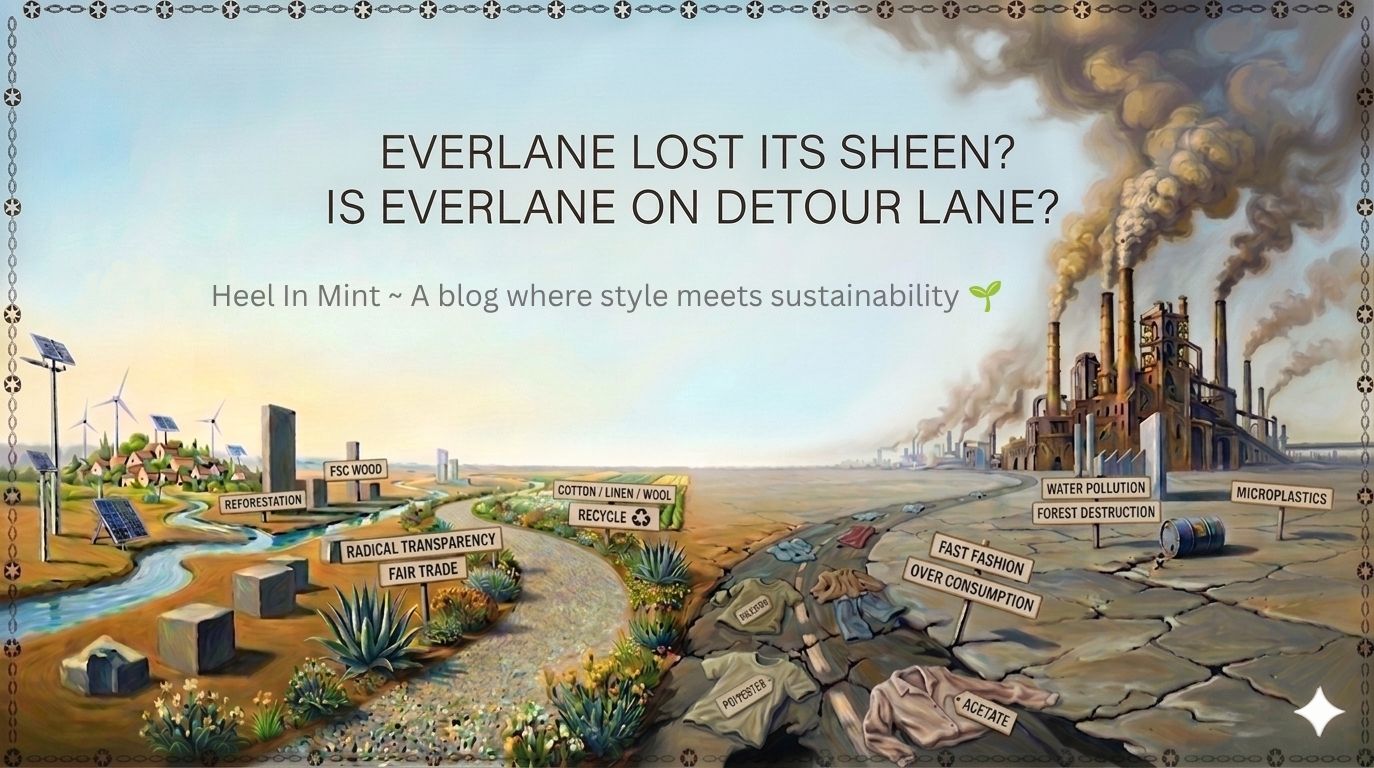
Shein’s acquisition of Everlane in a deal worth $100M has shocked many in the sustainable community and it’s hard to fathom what went wrong — the conflict of vision is as jarring as denim at the MET Gala. What happened here? Another one bites the dust?
Sustainable and minimalistic leaning direct-to-consumer online retailer known for generally affordable pricing, well-made closet staples in conscious materials, and radical transparency is being bought by a notorious fast-fashion giant known for pushing out cheap trendy clothes to novelty-hungry teens? Something isn’t right here. What’s going on?
Once valued around $600 million during its peak era, according to Forbes, the direct-to-consumer favorite has now been reduced to a mere value of $100 million. Ouch!
Trade wars, tariffs, rising costs, greenwashing, declining quality from higher-end brands, and the looming uncertainty of AI casting a shadow over future job opportunities — with an entire generation of consumers watching AI quietly erode job security while their pay fails to keep pace with inflation — the perfect storm that seems to have brought a once $600 million eco-fashion darling down to its knees. The macro and micro economic forces colliding simultaneously created the perfect recipe for human anxiety spikes and reduced consumer spending — sustainable fashion positioned at a higher price point was always going to feel that pinch first, and Everlane probably felt it hardest.
According to Wired’s Louise Matsakis, the move makes a lot of sense. The “de minimis” loophole that allowed Chinese brands like Shein and Temu to avoid US tariffs and sell cheap goods is now threatened — building or acquiring premium or lifestyle brands is another route into the US market.
According to Retail Dive, Everlane co-founder Michael Preysman is launching a new apparel brand, still radical, following the sale of Everlane to Chinese fast-fashion company Shein — this time with no venture capital or private equity. The new company will be built on the same principles of radical transparency, sustainability and supply chain integrity — mirroring the ethos that defined Everlane’s best years. To me, this sounds like a case of a company that sold its soul to venture capitalists. Why can’t small companies stay small?
Everlane’s downfall seems to be a case of financial control behind the scenes putting pressure on company operations and product quality — consumers being forced to pay higher prices for fast-fashion quality. This is exactly why conscious consumers need to stay alert, aware and questioning — supporting locally made, independent sustainable brands before venture capital devours them
What’s your take on what happened behind the scenes? Send me your comments — I’d love to read your perspectives, especially if you’re a fashion insider. 🌸
“Fast fashion is like fast food. After the sugar rush, it just leaves a bad taste in your mouth.” ~ Livia Firth, co-founder and creative director of Eco-Age.
Heel In Mint 🌿